Professional Architectural Design Firm Support: Bespoke Solutions for Domestic and Enterprise Initiatives
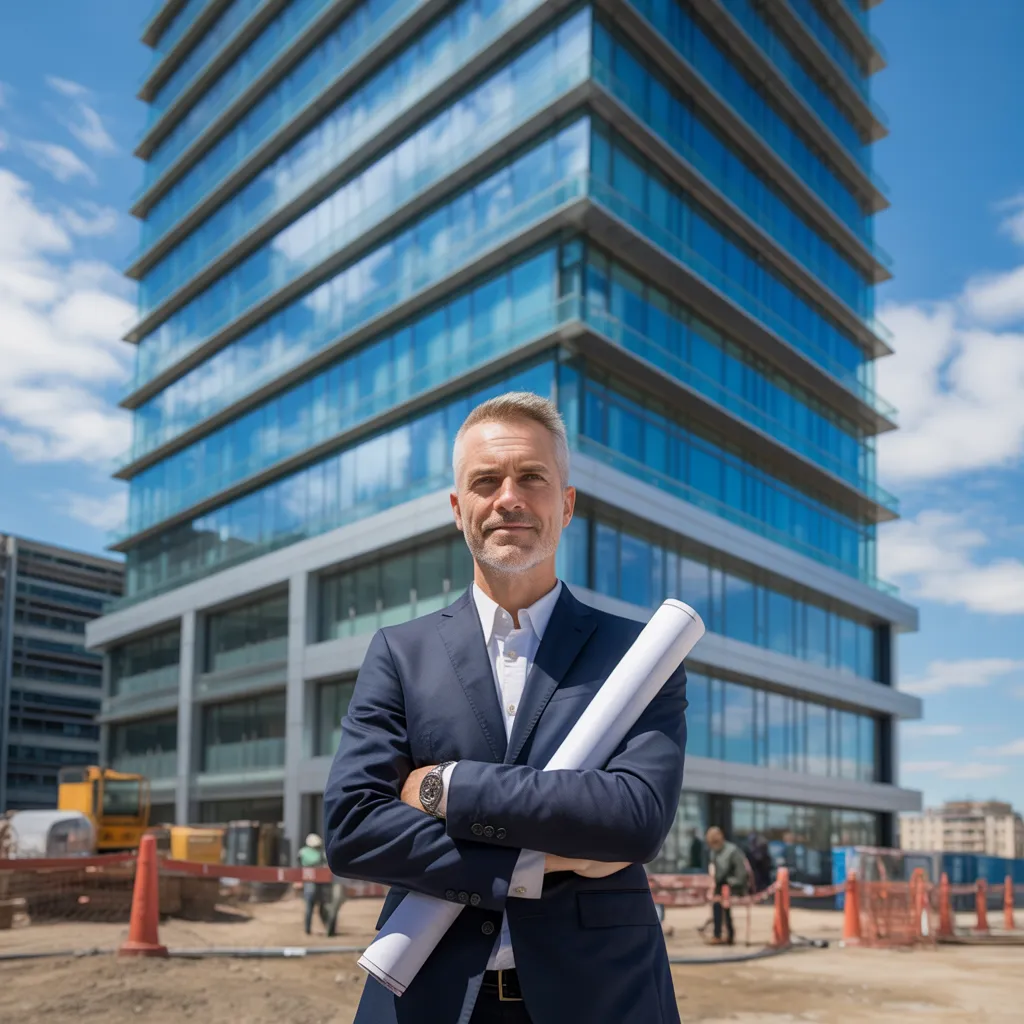
Accomplished architecture firms play an important role in constructing both domestic and trade environments. They combine originality with precision engineering to deliver tailored solutions. Through thorough discussions and environmental evaluations, these firms guarantee that every design aligns with client visions and industry standards. As the demand for sustainable and creative designs grows, understanding what these firms bring to the table turns vital. This exploration demonstrates how these resources can greatly impact project achievements.
What Expert Design Firms Deliver to Your Initiative
Distinguished architecture firms improve projects by merging creativity with technical expertise. They provide a wealth of knowledge in design principles and construction methods, guaranteeing that each project is not only aesthetically pleasing but also structurally sound. Their unified approach fosters communication among stakeholders, enabling for a seamless integration of ideas and requirements.
Moreover, leading firms harness advanced digital platforms, such as Building Information Modeling (BIM), to architect precise visualizations and simulations, amplifying decision-making processes. Their background with jurisdictional requirements and land-use policies confirms regulatory observance, preventing temporal setbacks and operational hurdles.
Moreover, they offer green design approaches that advance energy efficiency and sustainable practices. By tailoring their expertise to the special needs of each client, accomplished architectural teams develop inventive designs that strengthen functionality and livability. Ultimately, their thorough knowledge transforms visions into reality, producing locations that are both practical and inspiring.
Critical Resources for Your Housing Architecture Venture
In residential architecture, a range of services is crucial to guarantee a successful project from conception to completion. Early meetings assist clients express their vision and needs, allowing architects to create a comprehensive design brief. Property evaluation comes next, assessing factors such as topography, zoning regulations, and environmental considerations.
Following that, planners develop initial drafts that define the project’s configuration and aesthetics. This phase frequently involves 3D visualization, offering clients a visual representation of the completed product. After designs receive approval, detailed construction documents are created, making sure contractors possess all essential information.
In addition, project management services facilitate clear interaction between clients and building contractors, tackling any challenges that arise during the construction process. Compliance with building codes and local regulations is likewise monitored throughout the project. These essential services collectively guarantee that residential architecture projects meet client expectations while adhering to legal and safety standards.
Bespoke Services for Commercial Architecture
While the demands of commercial spaces can vary extensively, tailored design approaches are essential for optimizing aesthetics and functionality. Professional architecture studios recognize the importance of comprehending each client's unique needs, whether for retail, office, or mixed-use developments. By conducting thorough evaluations, they can develop spaces that enhance workflow productivity while conveying corporate character.
In addition, made-to-order solutions address the specific zoning regulations and site conditions, meeting requirements and maximizing the use of available land. Architects employ innovative design techniques to generate versatile environments that facilitate future growth and variable business needs.
Working closely with stakeholders, such as contractors and interior designers, further refines the design process, leading to unified and effective spaces. Ultimately, these custom architectural solutions not only improve the user experience but also aid the long-term success of the commercial venture, forming a strong foundation for future endeavors.
How Sustainability Improves Architectural Design
Sustainability represents an essential component in modern architectural planning by fostering the adoption of eco-friendly materials and establishing energy efficiency strategies. Architects increasingly prioritize methods that minimize environmental consequences while refining the aesthetic and functional characteristics of their buildings. This focus to sustainability serves the planet while also enhancing value to the built environment.
Eco-Friendly Materials Deployment
As architects increasingly prioritize ecological awareness, the integration of eco-friendly materials becomes a essential aspect of modern design. Making use of sustainable resources, such as reclaimed wood, bamboo, and recycled metals, not only cuts down on environmental impact but also strengthens aesthetic appeal. These materials often exhibit distinctive properties and qualities, permitting for groundbreaking design approaches that set projects apart. In addition, eco-friendly materials contribute to improved indoor air quality by limiting dangerous pollutants and promoting cleaner air. Professionals who embrace these environmentally responsible choices exhibit a commitment to both practical performance and a minimized environmental burden. By selecting responsibly sourced and sustainable materials, architectural firms can create spaces that match contemporary values while confronting the pressing challenges of climate change.
Energy Efficiency Techniques
Implementing energy efficiency approaches converts architectural design into a harmonious combination of practicality and sustainability. By incorporating advanced insulation materials, high-performance windows, and clean energy solutions, architects can significantly decrease a building's carbon footprint. These strategies not only reduce energy consumption but also enhance occupant comfort and health.
Natural ventilation, solar passive design, and vegetated rooftops greatly support environmental read the facts sustainability, enabling for buildings to maintain ideal indoor atmospheres while limiting reliance on powered systems. Also, advanced building technologies boost energy efficiency through real-time control and monitoring. Therefore, energy efficiency becomes a cornerstone of contemporary architecture, fostering originality and conscientious building practices across residential and commercial projects, eventually producing a greener sustainable environment.
What to Look for When Selecting an Architectural Firm?
When selecting an architecture firm, prospective customers should emphasize the company's track record and expertise to ensure alignment with their design goals. Additionally, effective communication and collaboration are crucial for a successful partnership. Evaluating these factors can help customers in making an informed decision for their design requirements.
Portfolio and Experience
Judging the work portfolio and skills of an architecture firm is necessary for making a well-informed choice. A well-organized portfolio highlights the firm's design style, creativity, and adaptability across different projects. Prospective clients should search for examples that match their vision, whether domestic or commercial. Experience in pertinent developments is equally necessary; firms with a deep history in related developments are more likely to understand specific challenges and regulations. In addition, looking at completed projects can provide important insight into the firm's ability to oversee timelines and budgets. Client testimonials and case studies moreover enhance understanding of the firm’s problem-solving capabilities and adaptability. Ultimately, a firm’s portfolio and experience represent evidence of their capacity to produce favorable results.
Communication and Teamwork
Effective interaction and coordination are essential parts in the selection of an architecture firm, as they significantly influence project success. A firm’s ability to attend to client needs and communicate design concepts clearly is paramount. Prospective clients should judge how firms facilitate dialogue, ensuring an open exchange of ideas throughout the project lifecycle. Regular updates and responsiveness to inquiries can enhance teamwork, fostering a productive environment. Additionally, the use of collaborative tools and technology can refine processes, making it easier for clients to visualize designs and deliver feedback. Ultimately, a strong partnership built on trust and transparency will lead to innovative solutions and a more satisfying project outcome, making these factors vital in the decision-making process.
Technology as a Tool for Transforming Your Architectural Design
As architectural design evolves, technology plays a significant role in creating innovative solutions. Advanced software tools, such as Building Information Modeling (BIM), enable architects to create detailed 3D models of structures, allowing for improved clarity and efficient project management. This technology enables real-time teamwork among stakeholders, guaranteeing that design iterations can be rapidly executed and assessed.
Additionally, artificial intelligence (AI) helps with optimizing layouts and power consumption, offering data-driven insights that guide decision-making. Virtual reality (VR) and augmented reality (AR) deliver immersive experiences, enabling clients to explore designs before construction begins. This not only improves client engagement but also strengthens accuracy in fulfilling requirements.
Furthermore, renewable innovations constitute a key element in modern design, embedding green materials and energy-efficient systems. Overall, the fusion of technology into architectural design accomplishes faster workflows, stronger teamwork, and ultimately, excellent results for both residential and commercial projects.
Strategies for Working Effectively With Your Architect?
The relationship between clients and architects significantly influences the outcome of a project. Strong engagement copyrights on clear communication from the outset. Clients should articulate their vision, budget, and timeline, allowing architects to align their designs in turn. Regular meetings build transparency, allowing both parties to address challenges and adapt plans as needed.
Additionally, customers should remain open to expert insights. Architects offer priceless skill and originality, which can boost the project surpassing initial expectations. Employing collaborative tools, such as shared design software, can optimize feedback and revisions, making the process increasingly productive.
Trust is also essential; clients should feel assured in their architect's decisions while allowing room for innovation. By establishing a cooperative atmosphere, both clients and architects can work towards a common goal, ensuring that the final design not only meets practical needs but also reflects the preferred aesthetic. This synergy ultimately leads to successful outcomes in both residential and commercial projects.
Commonly Requested Questions
What Constitutes the Standard Duration for Architectural Services?
The typical project timeline for design services extends across several months through more than one year. This timespan encompasses steps like design conception, development, documentation, and execution, each varying based on project complexity and client needs.
How Do Architecture Firms Navigate Zoning and Permit Concerns?
Architecture firms typically carry out examination of local zoning laws and regulations. They often liaise with municipal authorities, assemble needed documentation, and lodge permit applications to maintain compliance and facilitate smooth project progression.
How Much Do Charges Factor into Hiring an Architecture Firm?
Costs related to hiring an architectural practice vary widely, typically ranging from hourly rates to flat fees determined by project complexity. Additional expenses may include licensing requirements, materials, and consultations, impacting the overall budget substantially.
May I modify the design to the appearance once approved?
Yes, modifications can be performed after design approval, but they may bring about further expenses and slowdowns. The scope of adjustments is based on the advancement of the project and the agreed-upon terms referenced in the contract with the architecture firm.
How Can Architecture Firms Protect Client Confidentiality?
Architecture firms assure client confidentiality via strong data protection protocols, employee training, and non-disclosure agreements. They employ secure communication channels and limit access to sensitive information, emphasizing client privacy and trust.
Comments on “Why St. Louis Architecture Firm Delivers Functional Spaces”